
Solid privacy
Tight vertical boards that block sightlines from the street or the neighbors' deck. Often finished with a top cap.
From a tall privacy screen to a low picket along the sidewalk, a wood fence is only as good as its posts. Here are the styles we build and how we set them up for wet Seattle soil.
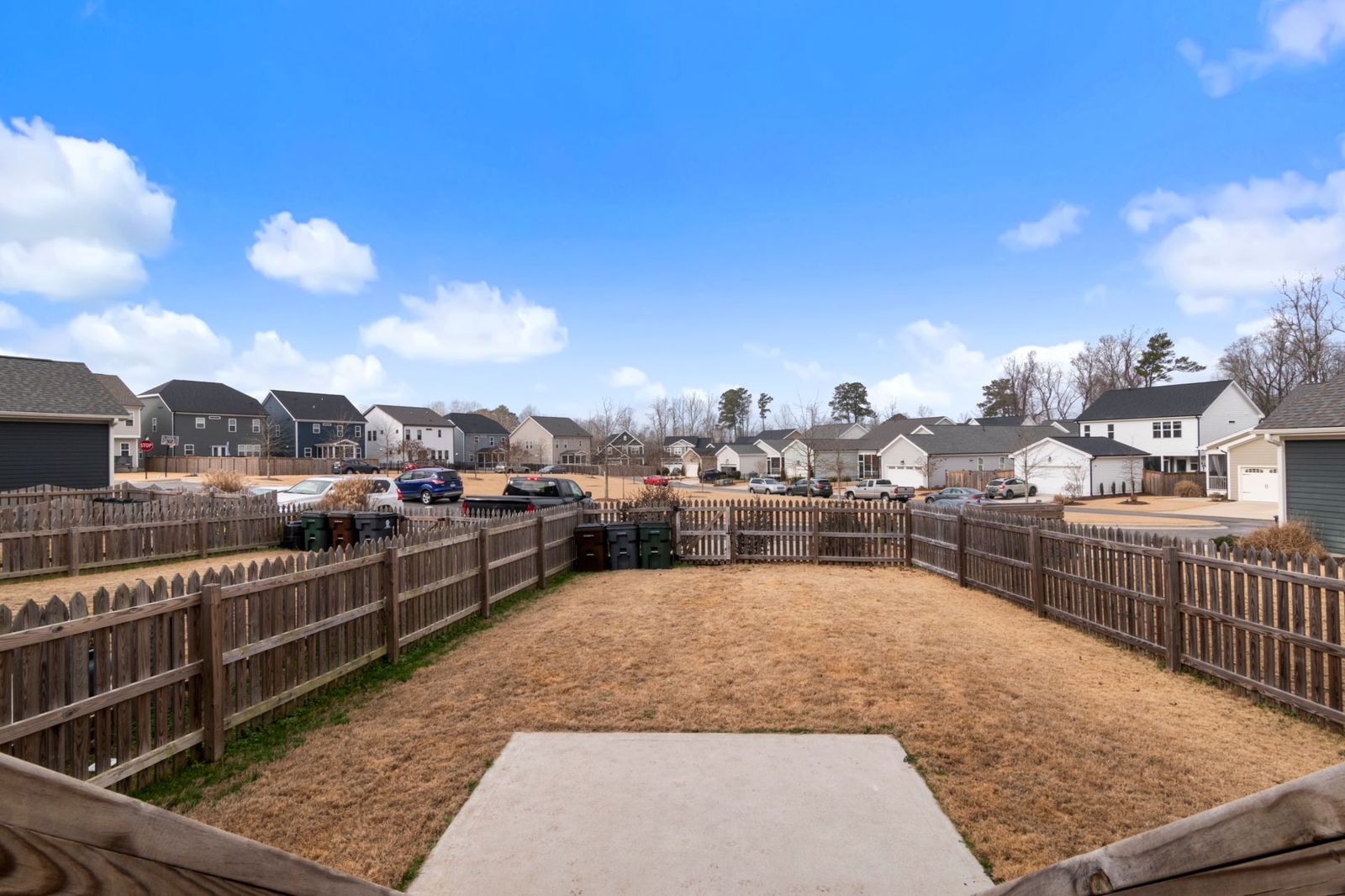
Tight vertical boards that block sightlines from the street or the neighbors' deck. Often finished with a top cap.
Boards run sideways with small, even gaps. A clean, modern look that pairs well with newer homes.
Boards alternate sides of the rails, so both yards see a finished face. A fair choice on a shared line.
Overlapping boards on both sides let air pass through while still blocking a direct view. Handy in windy spots.
Low and friendly, spaced pickets define a front yard or garden without closing it off from the street.
Our winters keep soil damp for months, and that's hardest on the few inches where a post meets the ground. Most leaning or rotted fences start right there.
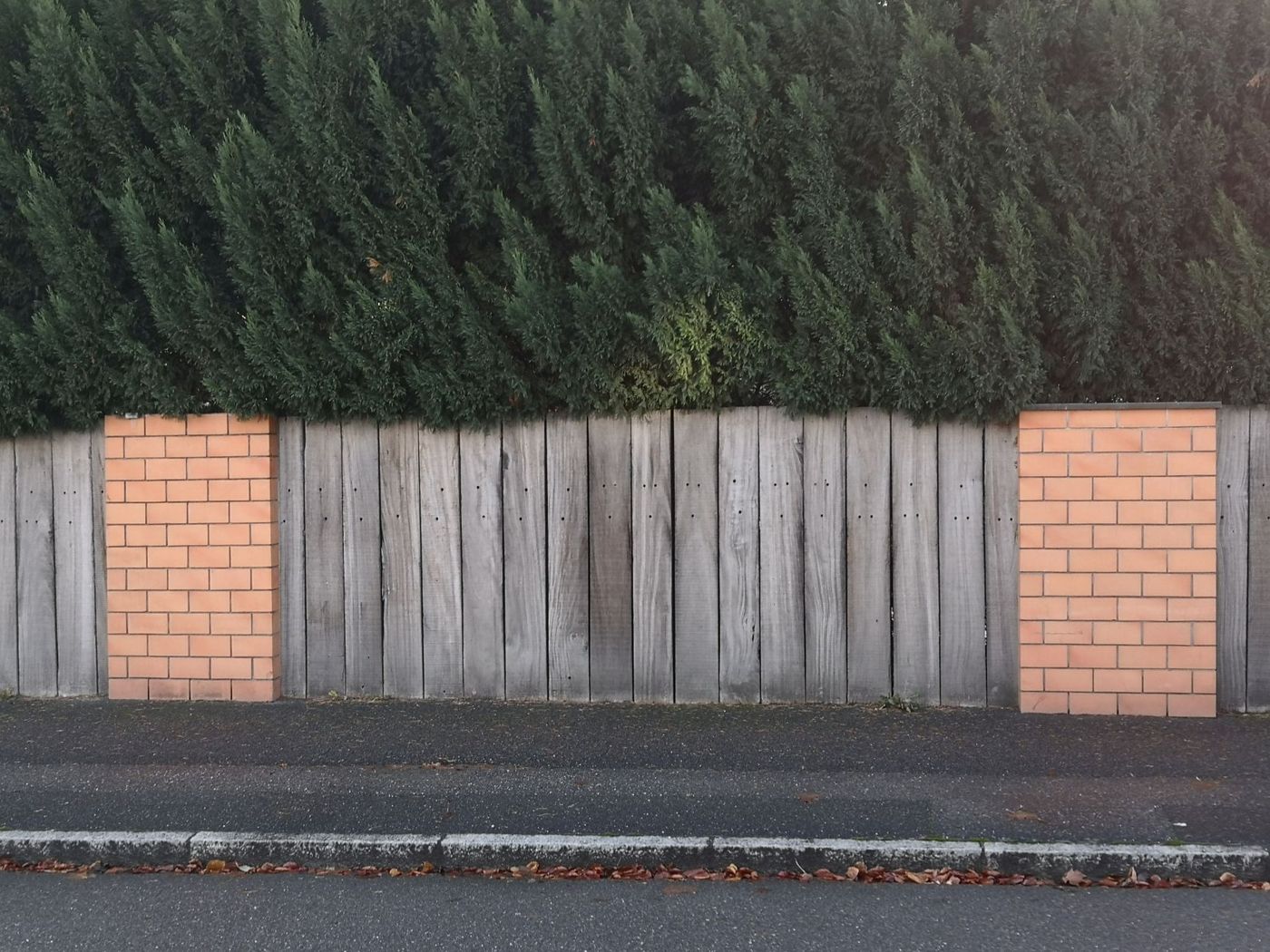
Cedar is the familiar choice for fence boards thanks to its natural decay resistance and warm color. Pressure-treated lumber is common for posts and rails, where strength and ground contact matter most.
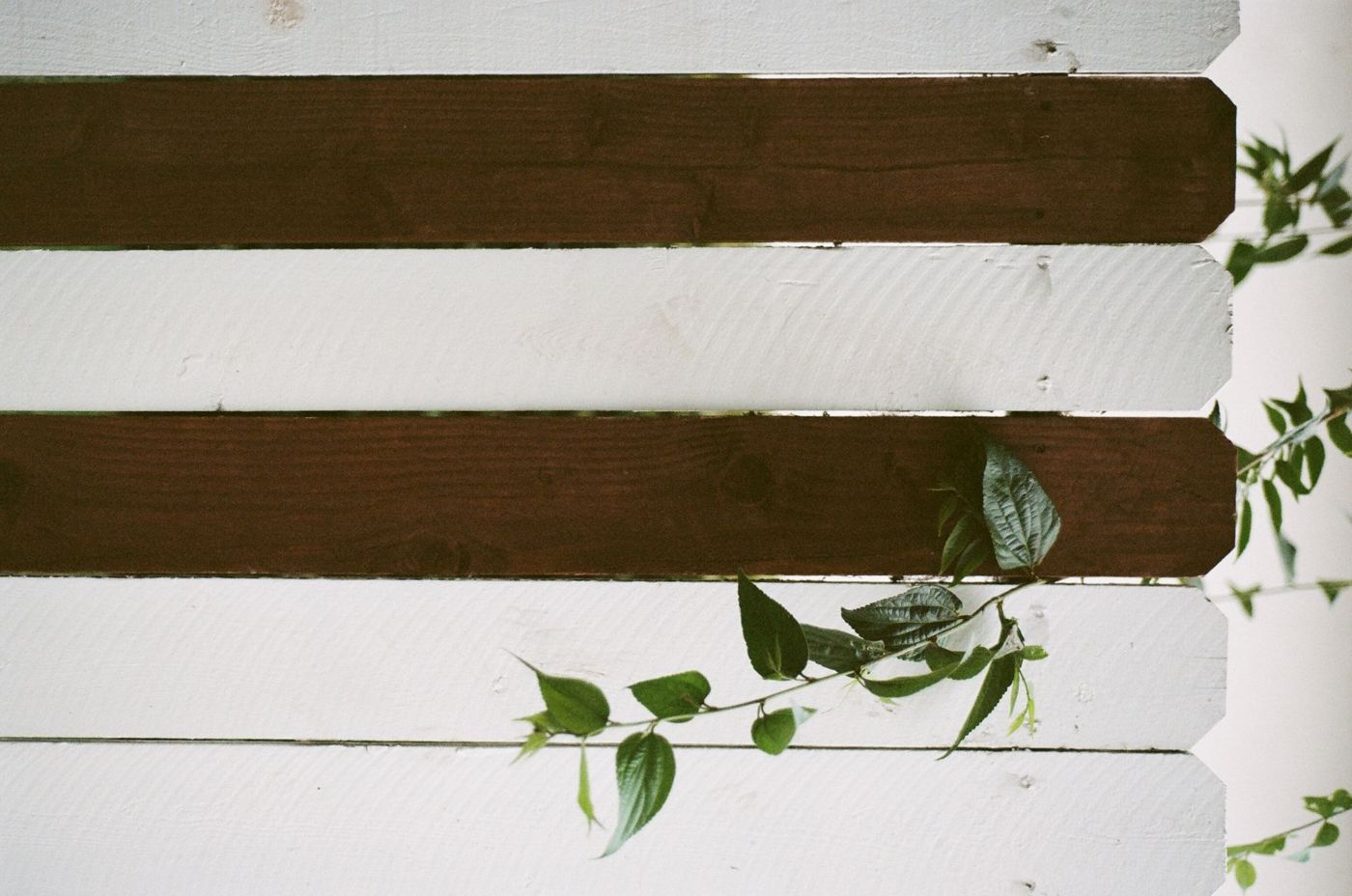
A fence can be left to weather, stained, or painted like the slatted example here. Stain soaks in and is easier to refresh; paint gives a crisp color but needs more prep when it's time to redo it.
A wood gate is heavier than it looks once it's wet. We frame gates with a diagonal brace running up from the bottom hinge corner, hang them from sturdier posts, and choose hinges and latches sized for the width. See metal fences and gates for steel-framed options that resist sagging even further.
Yes. Cedar is a long-time Northwest favorite for fences because of its natural resistance to decay and its warm color. Post setting and drainage at the base matter as much as the boards.
Many homeowners put the finished side outward, and some local rules or HOAs expect it. A good-neighbor or shadowbox style looks finished from both sides, which avoids the question.
We either step the panels down the hill in level sections or rack them to follow the slope. The right choice depends on the grade and the style you've picked.
It's optional. Unfinished cedar turns silver-grey; a penetrating stain keeps more of its color and slows weathering.
We'll walk the line with you and put the estimate in writing.