
Composite vs. wood decking: a Seattle homeowner's guide
Choosing a decking material is the biggest decision in most deck projects. This guide lays out the trade-offs plainly, with no invented numbers, so you can decide what fits your yard, budget and patience for upkeep.
The quick answer
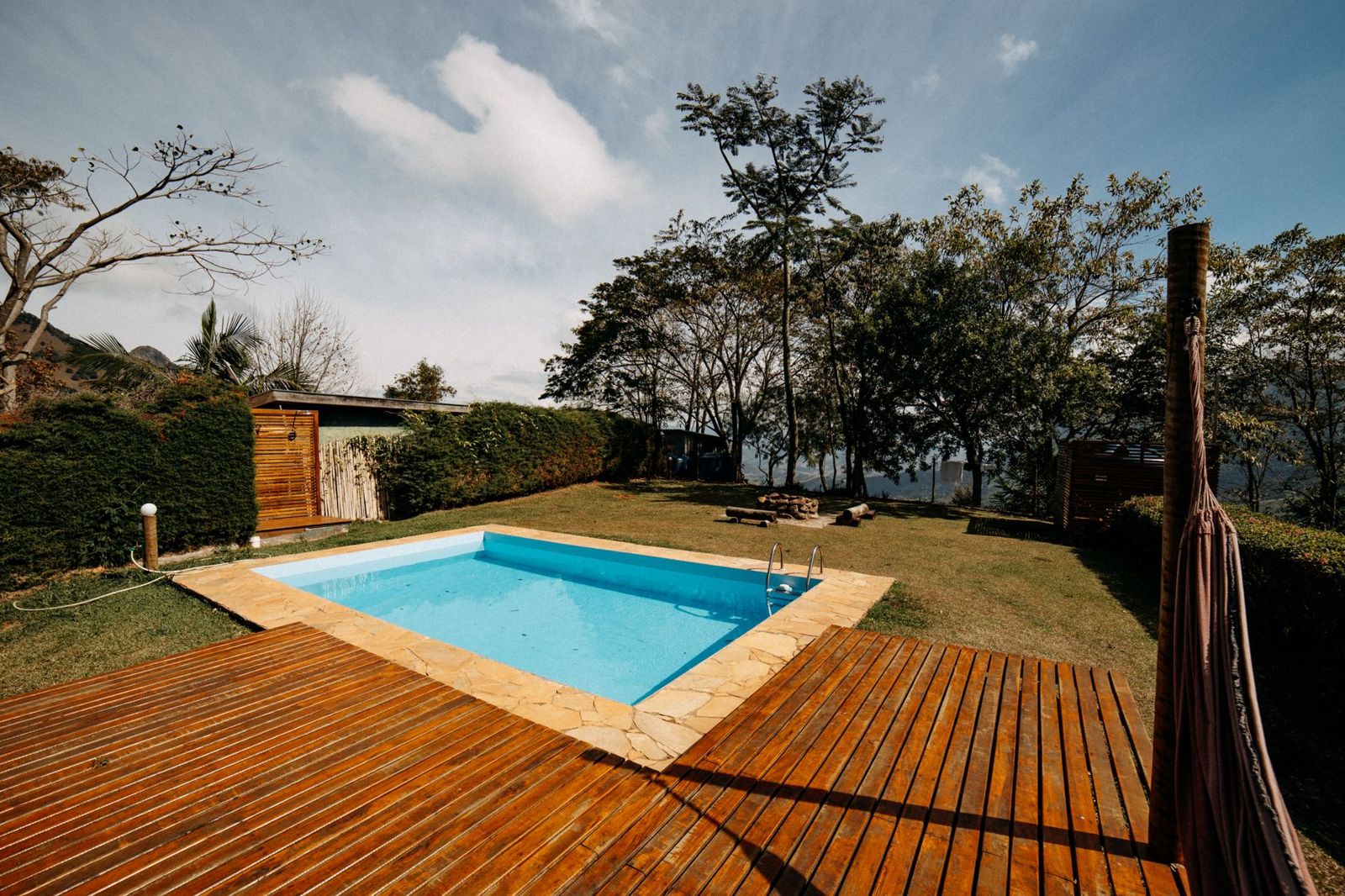
If you want a deck you mostly just rinse, and you plan to stay in the house a while, composite is usually the better fit for Seattle's climate. If you love real wood, want the lowest starting cost, or don't mind a regular weekend of maintenance, wood remains a good, honest choice.
Neither is wrong. The rest of this guide explains why, so the choice matches how you actually live.
Side-by-side table
| Consideration | Composite | Wood (cedar / treated) |
|---|---|---|
| Upfront cost | Generally higher for materials | Generally lower to start |
| Cost over time | Little ongoing spending on finishes | Recurring cleaning and staining costs or time |
| Routine upkeep | Washing a couple of times a year | Cleaning plus periodic sealing or staining |
| Wet-climate behavior | Capped surface resists moisture and rot | Needs a good finish and airflow to hold up |
| Moss & mildew | Surface film usually washes off | Can work into the grain if left |
| Look and feel | Consistent color, many wood-grain patterns | Natural grain that weathers over time |
| Splinters | Not a concern for bare feet | Possible as boards age |
| Heat in direct sun | Darker colors can get warm; lighter ones help | Usually stays a bit cooler |
| Scratches & dents | Cap resists them, but deep scratches can't be sanded out | Softer woods dent, but can be sanded and refinished |
| Framing underneath | Pressure-treated wood | Pressure-treated wood |
Performance varies by manufacturer and product line. We compare specific boards during the estimate.
Cost over time
Composite boards typically cost more to buy than cedar or pressure-treated decking. That's the number most people compare first, and it's only part of the picture.
A wood deck comes with recurring costs: cleaners, stain or sealer, and either your weekends or a paid crew to apply them every few seasons. Boards that crack or rot need replacing along the way. Composite shifts more of the spending to day one and less to the years after.
Which ends up costing less overall depends on how long you'll own the home, how much of the upkeep you'd do yourself, and how exposed the deck is. We're happy to talk through both scenarios with real quotes for your project rather than rules of thumb.
Look & feel
Wood has natural variation: knots, grain and color that change as it weathers. Some people love that, and some find the greying frustrating. Modern capped composite imitates wood grain convincingly and holds a consistent color, though up close it still reads as a manufactured product.
Underfoot, capped composite feels dense and solid, PVC a bit lighter, and cedar softer and warmer. Bringing samples outside and standing on them in your own light is the best test.
Heat & comfort
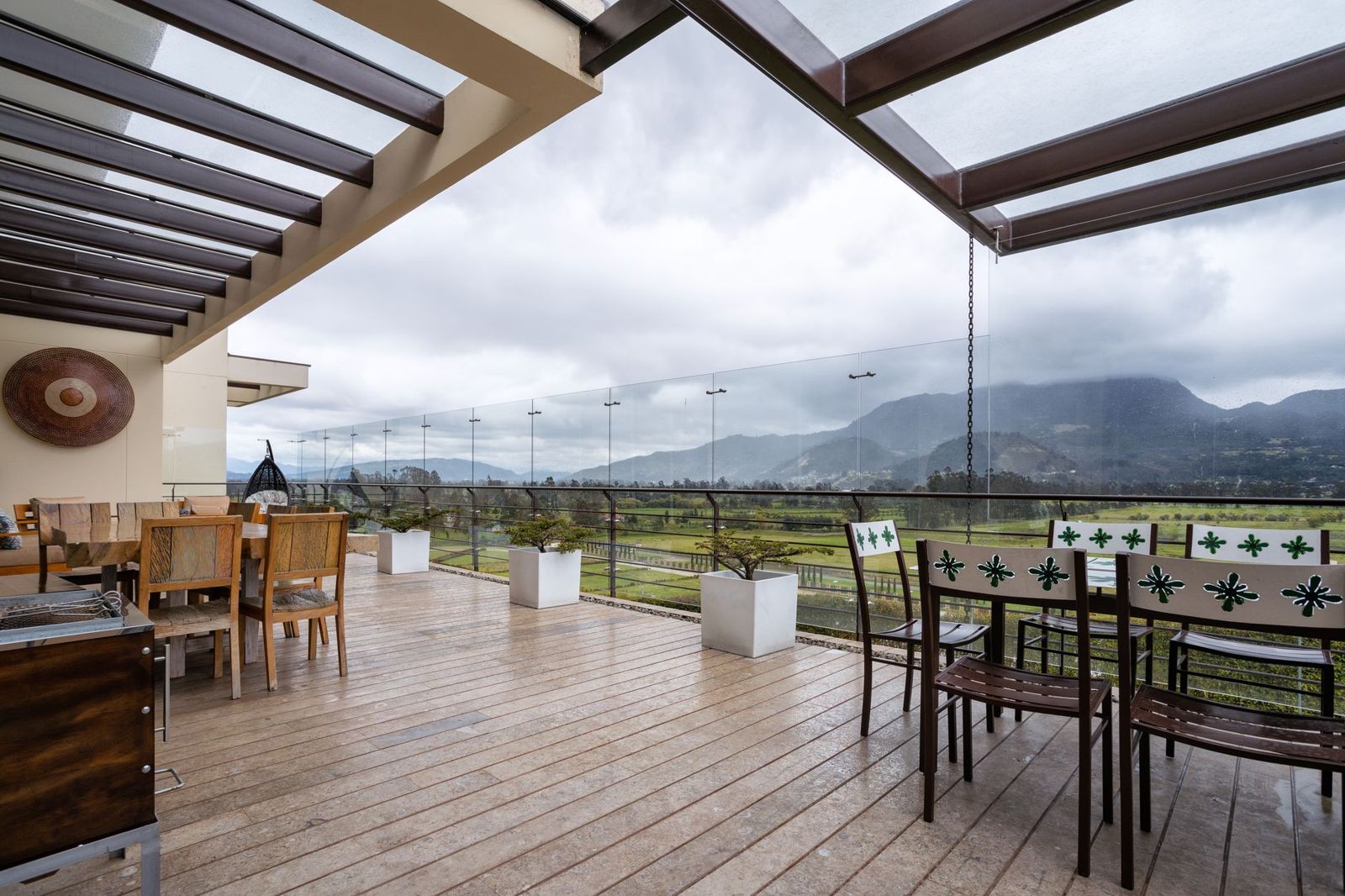
On hot, sunny afternoons, dark composite can get noticeably warm to bare feet. Lighter colors, heat-reflective product lines, shade from a pergola or tree, and PVC boards all reduce that. Wood generally stays a little cooler.
In Seattle this matters mainly on south- and west-facing decks during summer. On a shaded deck under firs, heat is rarely the issue; damp is.
Upkeep by season
Composite
- Spring: wash with soap and a soft brush; clear the gaps between boards.
- Summer: wipe up grease and spills promptly; use a grill mat.
- Fall: sweep leaves and needles often so they don't sit and stain.
- Winter: plastic shovel only; skip rock salt unless the maker allows it.
Wood
- Spring: clean, check for raised screws, soft spots and splits.
- Summer: re-stain or seal when the finish starts to wear, on a dry stretch.
- Fall: remove debris and trim plants back so boards can dry.
- Winter: watch for moss and slippery algae on shaded areas.
Framing is wood either way
This surprises many homeowners: a composite deck still sits on a wood frame, usually pressure-treated lumber. The boards may never rot, but joists, beams and the ledger at the house can if water is allowed to sit.
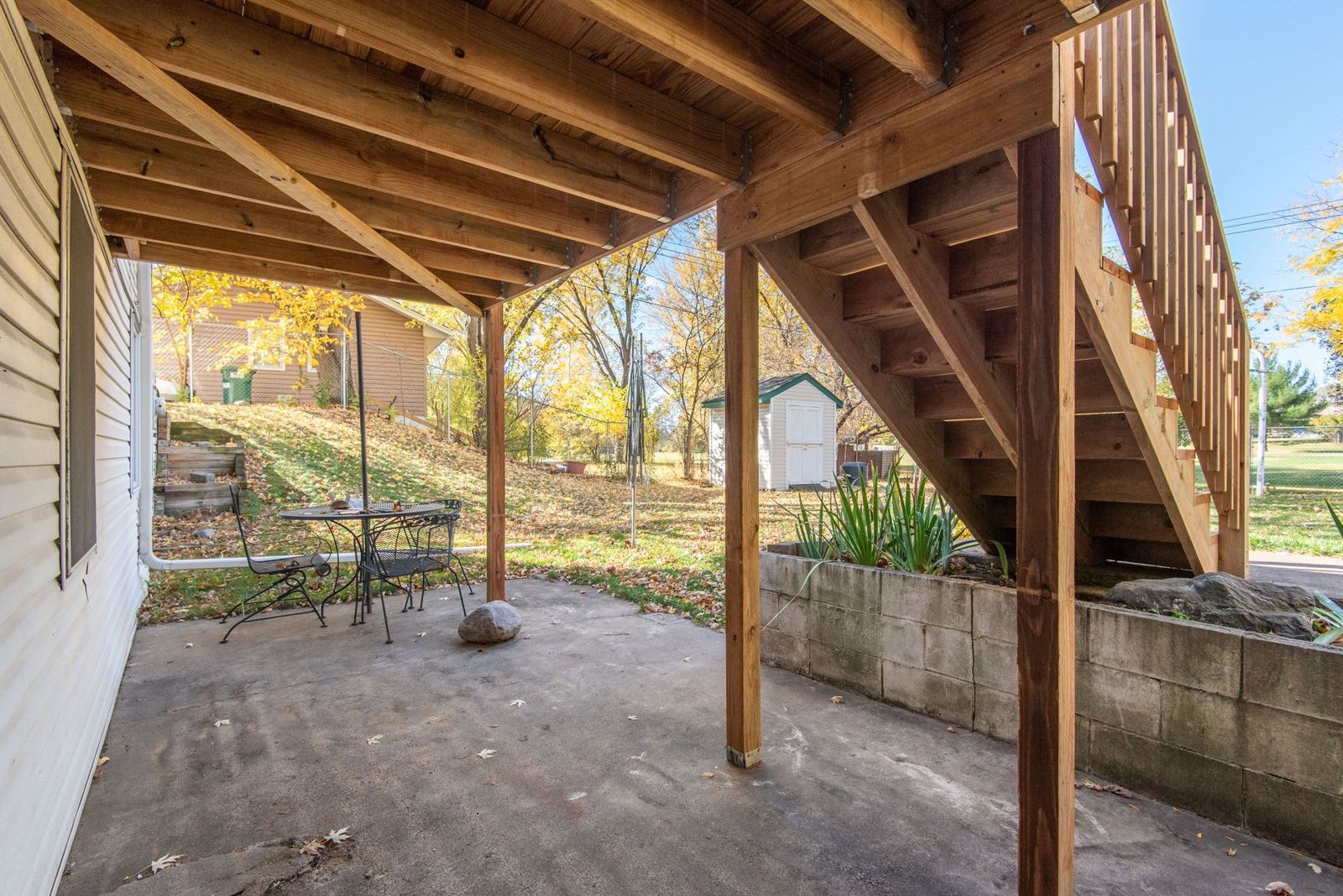
That's why flashing at the house, protective joist tape, correct joist spacing and airflow underneath matter just as much on a composite deck. When comparing estimates, ask how each builder handles the frame, not just which boards they'll use.
Permits overview
Material choice rarely changes whether you need a permit; design does. Height above grade, size, attachment to the house and location can all come into play. In Seattle, decks and fences fall under the Seattle Department of Construction and Inspections (SDCI). Elsewhere in the county, King County or your city's building department sets the rules.
We'll help you find out. Rules and thresholds change and differ by jurisdiction, so we check the current requirements for your specific plan rather than quoting a general number.
How to choose
Lean toward composite if…
- You'd rather not stain or seal ever again
- The deck is shaded or stays damp
- You expect to own the home for years
- Bare feet, kids or pets make splinters a worry
Lean toward wood if…
- Natural grain and aging matter most to you
- You want the lowest starting budget
- You enjoy, or don't mind, regular upkeep
- The deck gets good sun and airflow
Still on the fence? Read more about our composite decks and cedar and pressure-treated decks, or book a free estimate and we'll bring samples of both.
See both materials in person
We bring composite and wood samples to every deck estimate.