
Western red cedar
A Northwest classic with warm color, a pleasant smell when fresh cut and natural resistance to decay. It's softer than many woods, so furniture legs and dog claws leave marks. Left unfinished, it weathers to silver-grey.
Real wood still has a place in Seattle backyards. If you love natural grain or want a lower starting cost, we'll build it well and tell you exactly what upkeep to expect.
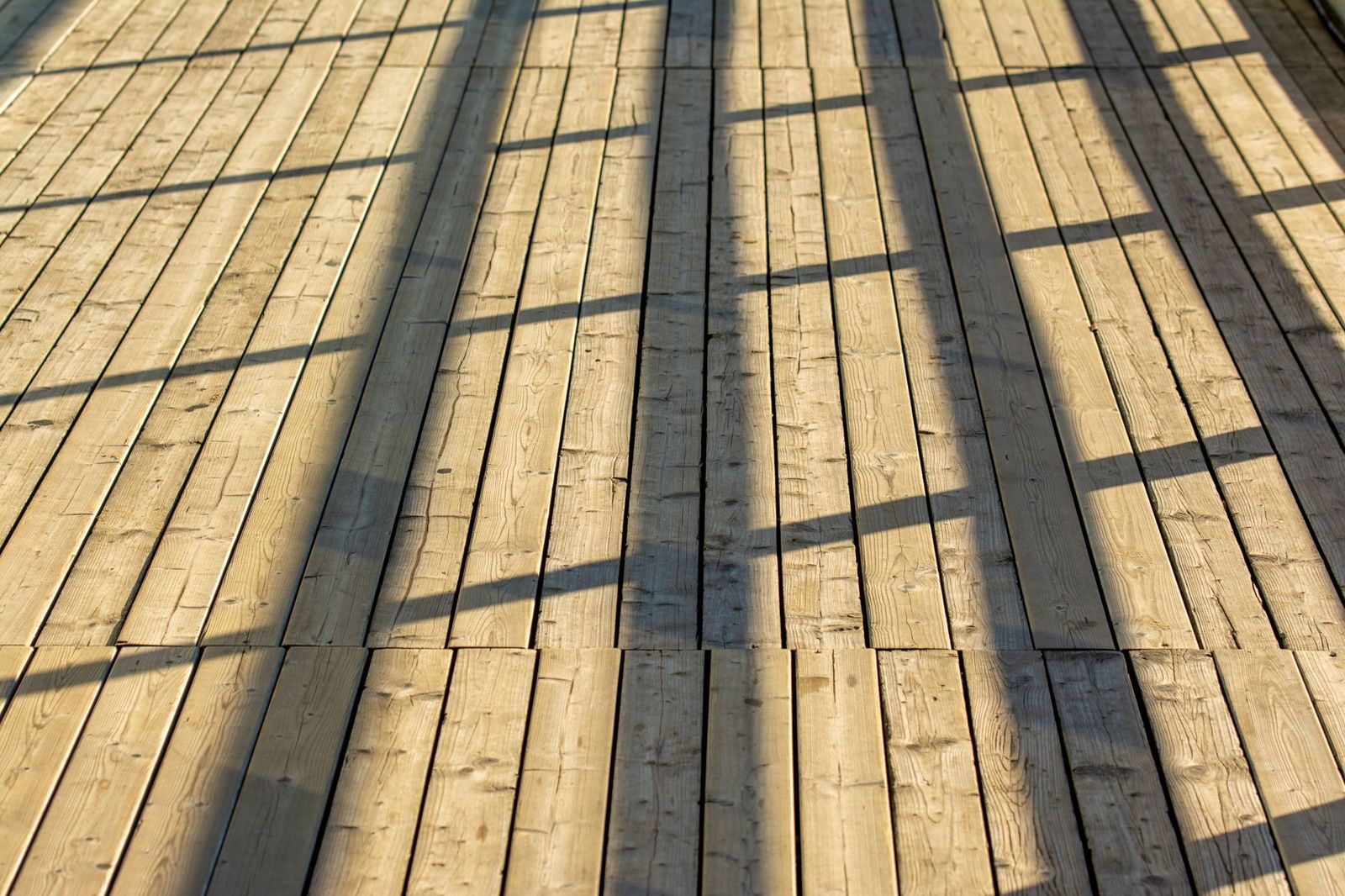
A Northwest classic with warm color, a pleasant smell when fresh cut and natural resistance to decay. It's softer than many woods, so furniture legs and dog claws leave marks. Left unfinished, it weathers to silver-grey.
Treated to resist rot and insects, and usually the most budget-friendly decking. It starts pale or greenish and benefits from a stain once it has dried out. It's also the standard material for the framing under almost every deck.
If most of those don't fit, our composite vs. wood guide walks through the trade-offs in more depth.
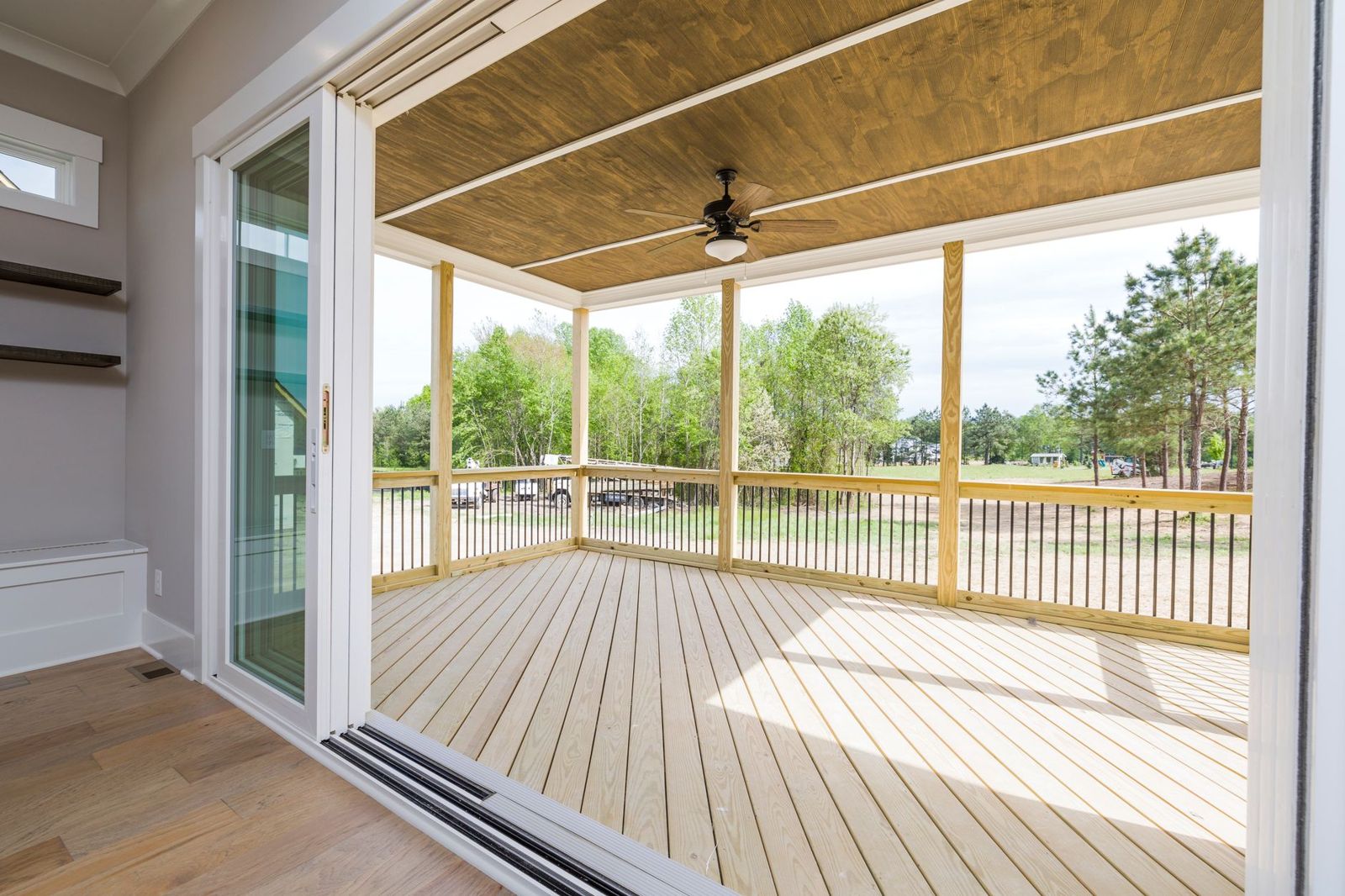
Seattle's rain doesn't ruin wood decks; standing water, shade and skipped maintenance do. Expect to clean the deck every year and re-apply a penetrating stain or sealer on the schedule the product recommends, which is typically more often on sunny, high-traffic areas.
Between those, keep leaves and needles swept off, trim back plants that hold moisture against the boards, and watch for raised screws or small splits. Catching a soft board early costs far less than replacing a section of frame later.
Clear sealers show the most grain but offer the least protection from sun and need refreshing most often. Semi-transparent stains add some color and UV protection while letting the grain show through. Solid stains look almost like paint, hide mismatched boards well and last longer between coats, but can peel on walking surfaces. We'll help you pick based on how much sun the deck gets and the look you're after.
Usually not. Treated lumber often needs time to dry before stain can soak in. We'll tell you what to look for and roughly when to plan the first coat.
In many cases. When the frame is sound and built to the spacing the new boards need, resurfacing is possible. Our deck repair page explains how we check.
Sunlight and weather break down the surface color of untreated cedar. The grey layer is mostly cosmetic; cleaning and a tinted finish can bring back warmer tones.
Get a free estimate for cedar or pressure-treated decking.