
Deck boards
Replacing cracked, cupped or rotting boards, re-fastening loose ones and correcting gaps that trap water.
Soft boards, wobbly stairs, a railing that moves when you lean on it. We find out what's actually wrong, then explain whether a repair, a new surface or a rebuild makes the most sense.
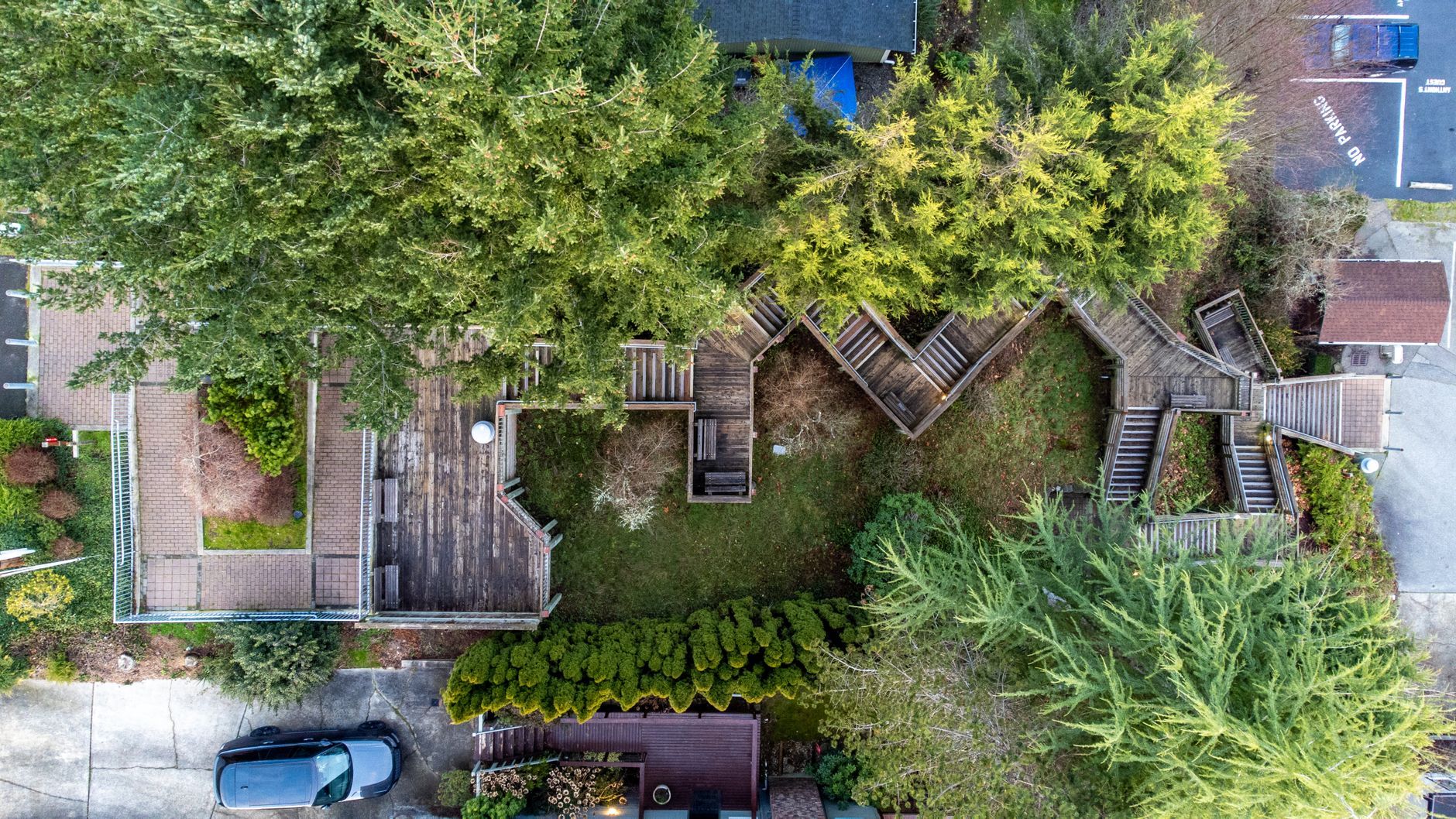
Replacing cracked, cupped or rotting boards, re-fastening loose ones and correcting gaps that trap water.
Reinforcing or replacing damaged framing members and checking the connections that hold everything together.
Rebuilt steps with fresh treads, stringers and handrails when the old ones feel soft, uneven or slick underfoot.
Tightening or replacing loose posts and swapping dated balusters for aluminum, cable or composite rail.
If the structure underneath is solid, we can remove the old wood decking and install composite or PVC boards on top. You keep the deck's footprint and footings and get a surface that won't need staining again.
The catch: composite often needs joists closer together than an older wood deck was built with, and every joist has to be sound and level. We check spacing, add blocking or sister joists where needed, and protect the tops of the joists before new boards go down.
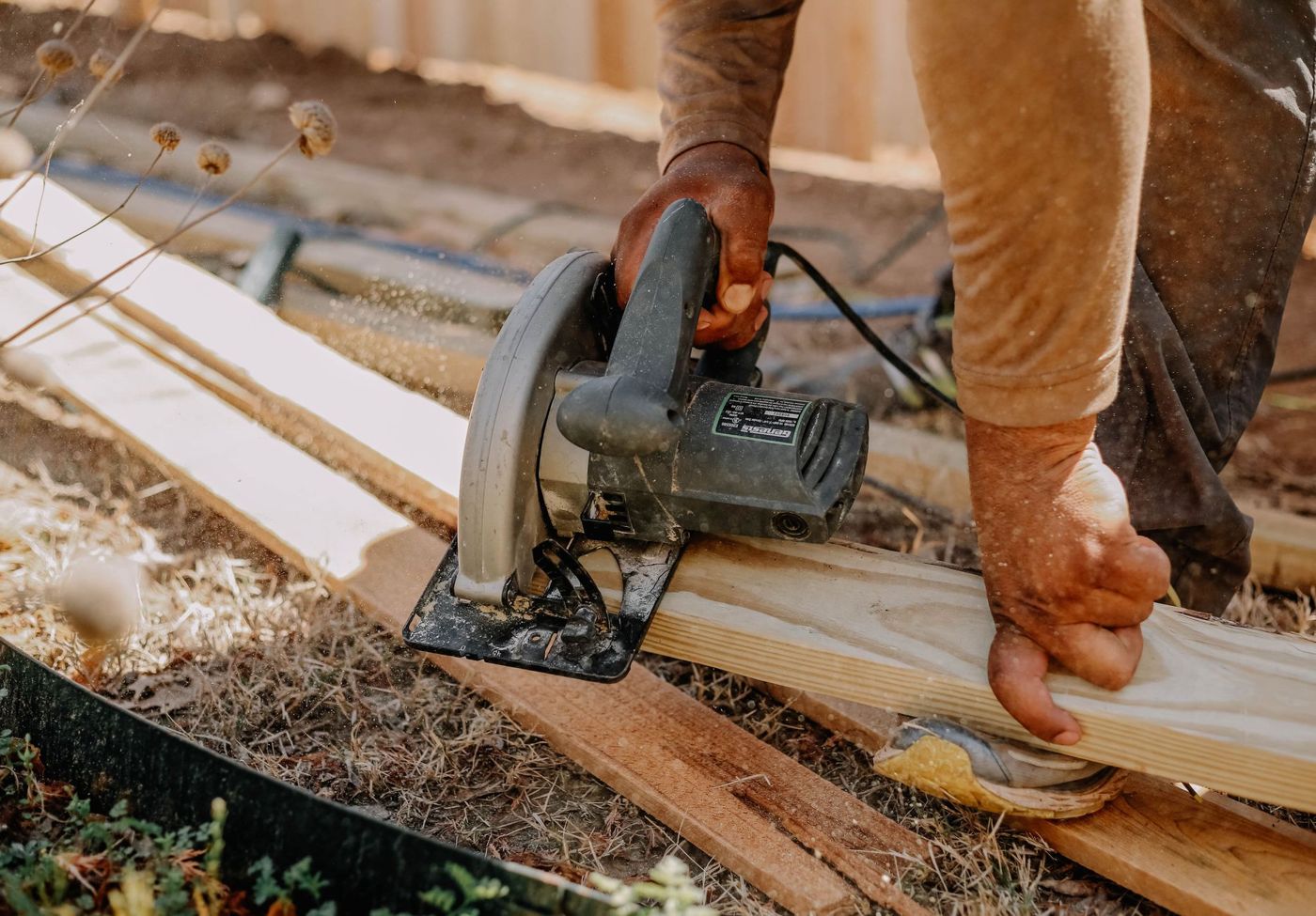
We'll give you our honest read after looking underneath. These are the patterns we look for.
Safety first. If a railing moves, a stair flexes or the deck bounces noticeably, stop using that part until it's checked.
We start underneath. With a flashlight and an awl, we probe posts, beams and joists for soft wood, look at how the ledger is fastened and flashed at the house, and check footings for settling. Then we move up to the stairs and railing, testing for movement, and finally the boards themselves.
You'll get a plain summary of what we found, which items are urgent and which can wait, and a written estimate for each option, so the decision stays yours.
Sometimes. If the joists, beams and posts are sound and spaced correctly for the boards you choose, resurfacing can be a smart option. If the frame shows rot or movement, we'll tell you and explain what replacing it would involve.
Yes. Most repair requests are for decks built years ago by someone else. We start with an inspection so we understand how it was put together.
Yes, as long as the posts can be anchored securely. Railing upgrades are one of the quickest ways to change how a deck looks and feels.
Small like-for-like repairs often don't, while structural work may. It depends on the scope and location, so we'll help you check with the city or county.
Book a free look and get a straight answer on repair versus rebuild.